
Timeline
How it all started
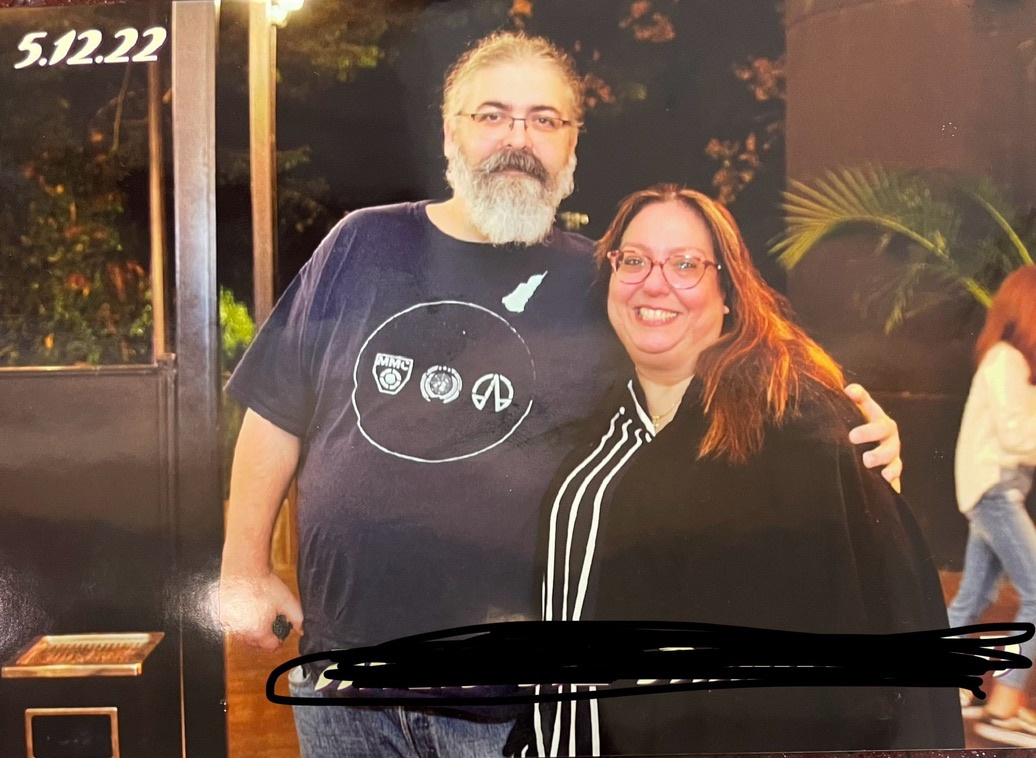 By 2022, I was in the worst shape of my life. Nearly three years of COVID, working from home, and moving only when absolutely necessary had done exactly what you would expect. My weight reached 150 kg on a 183 cm frame, putting my BMI at roughly 45: class III obesity, morbid obesity, or simply very fat. Pick whichever label makes the paperwork easier.
The weight did not arrive alone. My type 2 diabetes was mostly uncontrolled, and I was doing the minimum required to pretend I was dealing with it. I took my medication and later added a daily injection, but rarely checked my blood glucose or paid much attention to anything else. This was not an especially sophisticated strategy.
Around that time, my wife decided she had had enough and began preparing for bariatric surgery. She was also dealing with type 2 diabetes and the assorted problems that tend to travel with it. After a lot of thought, I decided to go through the process as well.
That meant medical checkups, dietitian appointments, regular meals, better food, and the deeply irritating discovery that the boring advice is often the useful advice. We started changing our habits and taking our health seriously.
November 2022: the warning shot
My wife had her surgery scheduled, while I still had a few pre-operative checks to complete. One of them was a stress echocardiogram.
The initial scan looked fine. Then I got on the treadmill. As my heart rate rose, breathing became difficult and a dull pain developed in my chest. Fortunately, this happened in a clinic rather than somewhere less convenient. They stopped the test, checked me again, and quickly established that my cardiovascular system was not enjoying the exercise nearly as much as the paperwork suggested it should.
I was sent to the emergency room, where blood tests showed elevated cardiac enzymes, and then admitted to intensive care. The following morning, I underwent cardiac catheterization. Doctors found four blocked coronary arteries: two on the left were 99% blocked, while the two on the right were 80% and 60% blocked.
They treated the two 99% blockages first. The cardiologist later told me that, in his opinion, I had probably been only weeks away from a massive—and likely fatal—heart attack. Apparently my habit of assuming everything would probably be fine had reached the end of its useful life.
2023: getting things under control
After the heart procedure, I found a proper diabetes specialist and stopped treating diabetes like an annoying notification I could swipe away. My medication changed, and I started Ozempic for blood-glucose control rather than as a weight-loss treatment. I was still injecting insulin four times a day and taking additional medication every morning, but my diabetes was finally under control.
The weight began to come down as well. By November 2023, I had gone from 150 kg to 125 kg and restarted the bariatric-surgery process.
My wife’s surgery had already been a major success. She lost weight, felt dramatically better, brought her A1C back into the normal range, and was able to stop taking diabetes medication. Watching that happen made the decision in front of me considerably less theoretical.
January 2024: the actual starting line
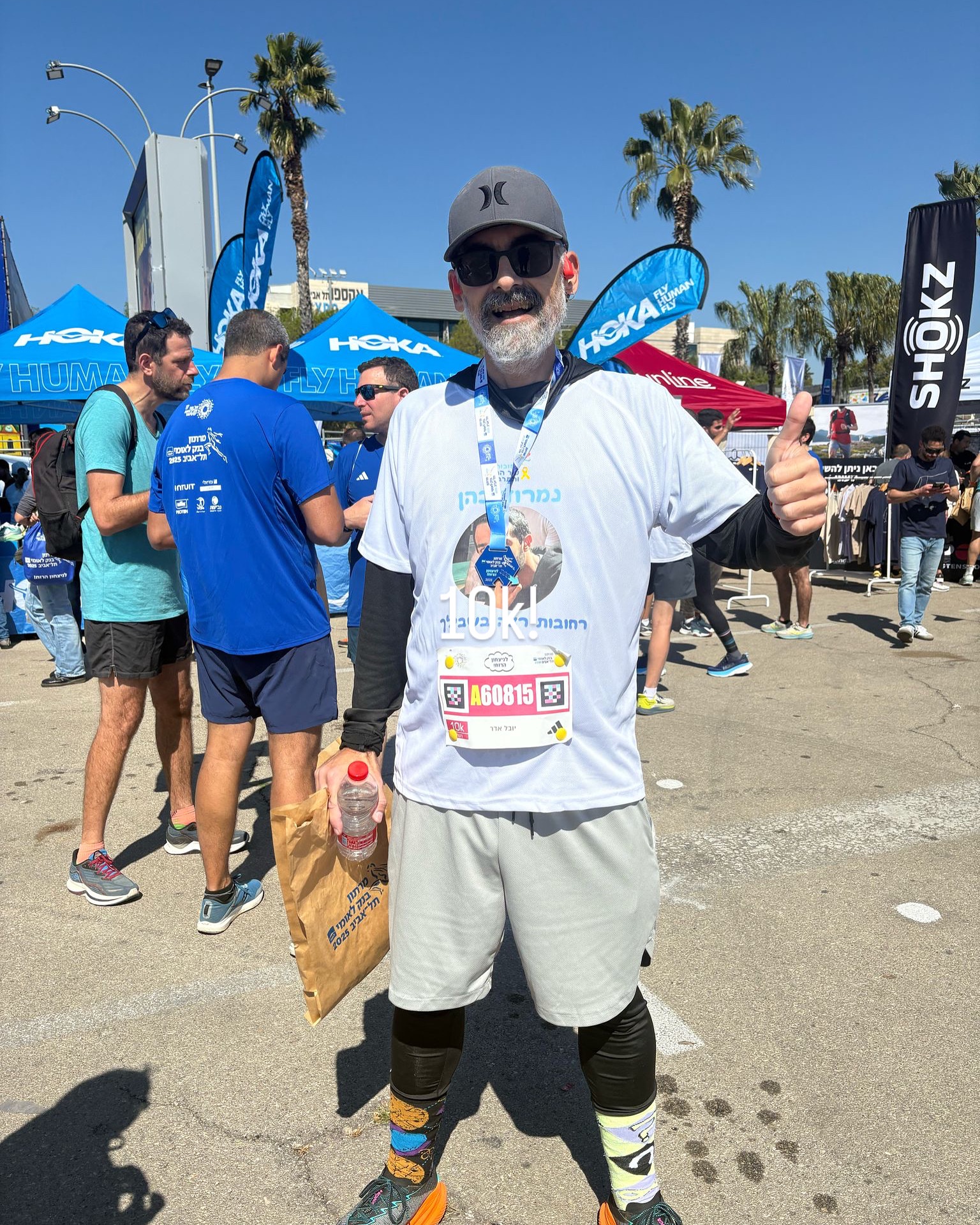 I had bariatric surgery in early January 2024. It was not the finish line, and it certainly was not magic. It was a tool—and the point where I finally had the opportunity to rebuild my health without pretending there was a shortcut.
The weight came off steadily. By the summer, I was hovering around 85 kg, which felt both comfortable and slightly improbable after starting at 150.
I also began exercising. At first, that meant walking. The walking gradually became faster, then longer, and eventually turned into running. There was no dramatic training montage—just a lot of putting on shoes and going outside. By January 2025, I could run 10 km and beyond.
2025: farther, not necessarily faster
I kept training throughout 2025, while my weight settled into a fairly steady range of 82–84 kg. My running stamina continued to improve, and half-marathon distances went from absurd suggestion to something I could actually cover.
Toward the end of the year, I also started cycling. Apparently one endurance hobby—and its associated pile of equipment—was not enough.
2026: the first official half marathon
In February 2026, I ran my first official half marathon. It was a milestone I could not have imagined a few years earlier, when a stress test on a treadmill had sent me directly to intensive care.
The year has not been a perfectly tidy victory lap. My weight climbed to around 92 kg during the war with Iran, when stress and comfort eating made an effective team. I have since brought it back down to 82 kg. That detour was a useful reminder that old habits do not disappear; they simply wait for a sufficiently bad week to reapply for their former positions.
Today
I am still running and cycling. I am also managing stress, watching my weight, and trying to remain reasonably sane in a world that seems determined to make that a competitive sport.
There is no finish line here. There is just the ongoing work of staying healthy, recovering when things slip, and continuing anyway.